
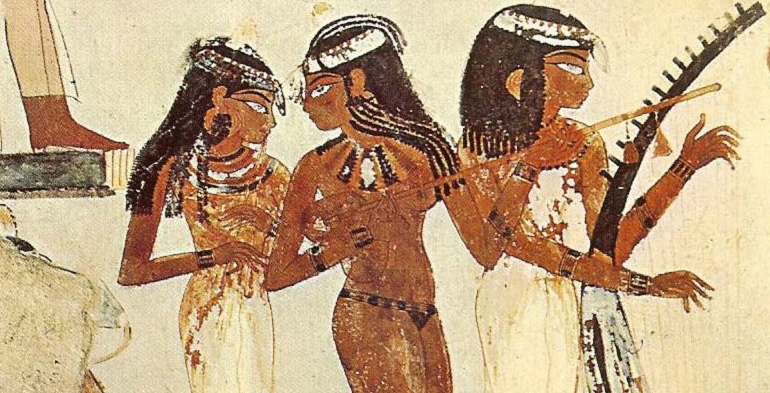
Egypt and Mesopotamia were ancient civilisations that valued music as an important part of everyday life. Both civilisations left a lasting mark on the history of music.

Egypt:
Egypt, located in north-east Africa, is famous for being one of the oldest civilisations in the world. It developed along the River Nile, which provided fertile land and food. The Egyptians created an organised and prosperous society with a rich culture. This included great buildings, such as the pyramids, a complex mythology and a system of hieroglyphic writing.
Ancient Egyptian civilisation flourished for thousands of years, leaving a lasting legacy in areas such as religion, science and the arts. When it comes to music, we can highlight:
1. Musical Instruments:
In Egypt, music was an essential part of daily life and religious ceremonies.
Popular instruments included the lyre, the flute, the harp, and the drum.
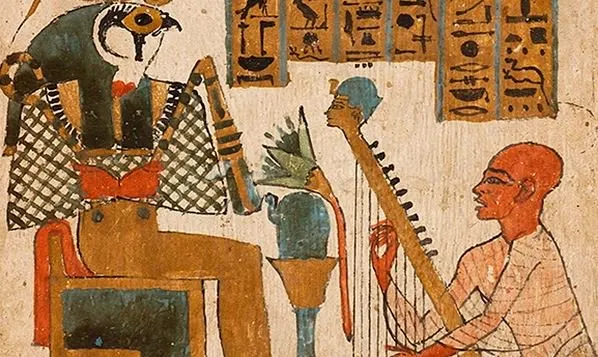
Egyptian musicians often accompanied important events such as weddings, funerals, and festivals with their enchanting melodies.
2. Songs and Dances:
Inscriptions found in Egyptian tombs suggest the existence of ritual songs and dances. Music was linked to the worship of the gods, and some compositions were used in temples to honor the deities.

3. Importance in Society:
Musicians were valued in Egyptian society and were considered important at social and religious events.
The Egyptians also believed that music had healing properties and could influence people's moods.


Mesopotamia:
Mesopotamia developed between the Tigris and Euphrates rivers. It was home to several notable cultures, such as the Sumerians, Akkadians, and Babylonians. They pioneered innovations in areas such as cuneiform writing, legal codes (like the famous Code of Hammurabi), and ziggurat architecture. Agriculture, trade, and complex political structures characterized life in this region. Regarding music, notable examples include:
1. Musical Notation:
In Mesopotamia, music was associated with daily life and celebrations.
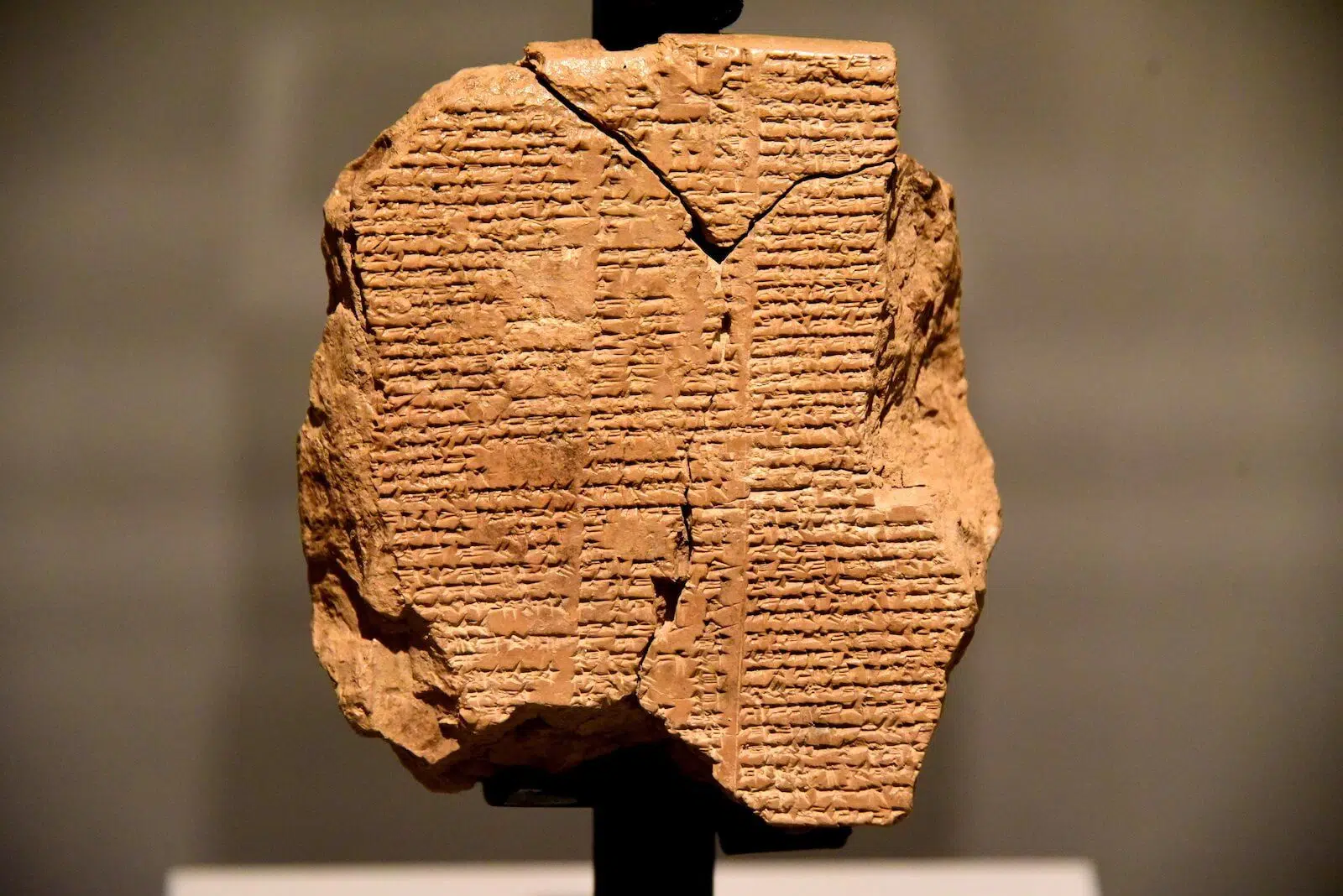
Clay tablets with cuneiform script containing musical instructions have been discovered, suggesting the existence of systems for notating music.

2. Instruments and Ensemble:
The Mesopotamians used a variety of instruments, such as the lyre, harp, flute, and drum.
Music was often performed by musical ensembles that included singers and instrumentalists.

3. Use in Rituals and Social Events:
Music played a significant role in religious rituals and festivals.
It was also used at social events, banquets, and celebrations, where musicians provided entertainment and joy.

4. Epics and Musical Narration:
Some Mesopotamian epics, such as the Epic of Gilgamesh, included parts that were sung or recited with musical accompaniment.
Music was not merely entertainment; it was also a way of transmitting stories and traditions.
Both civilizations—Egypt and Mesopotamia—played a crucial role in shaping human history, contributing to our understanding of antiquity and leaving behind a cultural legacy that has endured for millennia.






.jpeg)


0 Comentarios